Your body isn’t failing you. It’s asking for something different.
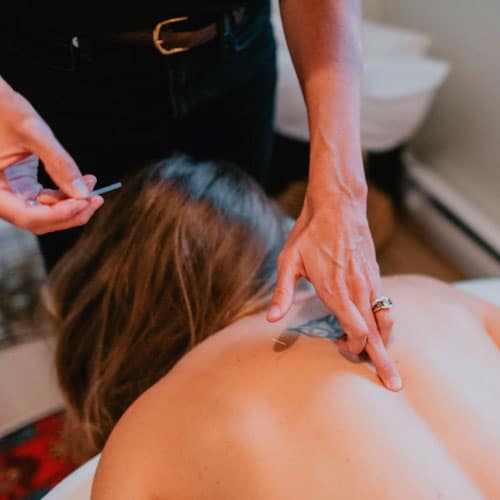
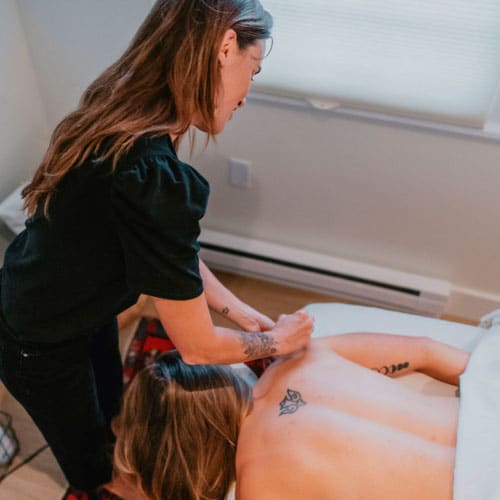

Support That Takes This Transition Seriously.
Perimenopause and menopause are not diseases. But they can feel like one. For too many women, these phases of life are full of struggle and a lost sense of self. Through the lens of Chinese medicine, perimenopause and menopause mark the metal years, where we refine and attune to the shifting hormonal tides. They are an invitation to reconnect to self. These phases of life are cyclical and cannot be treated in a linear way. That’s where acupuncture and Chinese medicine come in.
Acupuncture for menopause and perimenopause works differently. Instead of overriding your hormonal shifts, it works with them by addressing the root patterns that drive hot flashes, broken sleep, anxiety, brain fog, and the dozen other changes that show up when your body is moving through this transition.
Women in Bozeman and across the Gallatin Valley often feel they’re managing alone. What they find is a treatment approach that finally makes sense for where they are.
If you’ve been told this is just part of aging, and you have to push through it — that’s not the whole story.
Is Acupuncture for Menopause and Perimenopause Right for You?
If you recognize yourself in any of the following, you’re in the right place

You’re in your late 30s or 40s and your cycles are changing — heavier, lighter, irregular, more symptomatic — and you want support before things get harder.
01
You’re in active menopause and dealing with hot flashes, night sweats, sleep disruption, or low libido that’s affecting your quality of life.
02
You’ve tried hormone therapy and want a complementary approach, or you prefer to avoid it and need something that actually works.
03
Your mood, anxiety, or emotional steadiness has shifted in ways that feel connected to your hormones — and you want more than an antidepressant.
04
You’re an active woman — hiking, skiing, running, training — and you’re noticing that your recovery, energy, and performance are changing with your hormones.
05
You’ve had a surgical menopause and are navigating an abrupt hormonal shift without much support.
06
You don’t need a formal diagnosis to start. Many women come in saying,
‘I think something is shifting, but I’m not sure what.’ That’s enough.
Benefits of Acupuncture for Menopause and Perimenopause
Relief looks different for every woman, but these are the changes patients most consistently report

Physical relief:
- Fewer hot flashes that are less intense when they do happen.
- Better sleep: falling asleep, staying asleep, waking rested.
- Reduced night sweats.
- Less joint pain and body tension.
- Support for vaginal dryness and changes in libido.
- More consistent energy through the day.
- Reduced bloating and digestive shifts common during this transition.

Mental and emotional support:
- Calmer nervous system. Feeling less reactive, more resilient day to day.
- Reduced anxiety, especially the kind that hits at night or without an obvious cause.
- More stable mood.
- Sharper thinking and less brain fog.
- A sense of groundedness that may have felt out of reach.

Long-term wellbeing:
- Bone density support. Chinese medicine has well-developed approaches for skeletal health post-menopause
- Cardiovascular and metabolic regulation — both are directly affected by hormonal shifts
- An ongoing, sustainable relationship with your body through this season and what comes next


How Acupuncture for Menopause and Perimenopause Works
Regulating the nervous system
Most menopausal symptoms are made worse by chronic stress. Acupuncture directly calms the stress response, which reduces hot flash frequency, improves sleep, and calms anxiety that seems to have no clear source.
Supporting hormonal balance
Research suggests acupuncture influences the hypothalamic-pituitary-ovarian axis, the feedback system that governs hormone production. This helps smooth out the erratic signaling of perimenopause and supports a more stable hormonal baseline over time.
Addressing mood and mental clarity
Anxiety, emotional volatility, and brain fog are not side effects to be tolerated — they’re part of the pattern being treated.
Every treatment is individualized. Two women with the same hot flash complaint may receive completely different protocols, because what’s driving those symptoms in each body is different. That specificity is what makes this medicine effective.
Laine Gallegos, LAc, has 12 years of experience supporting women through hormonal transitions. Laine follows the latest acupuncture research and has in-depth training in women’s health, Chinese herbal medicine, classical Chinese medicine, integrative fertility, and herbalism.
Frequently Asked Questions
Can acupuncture really reduce hot flashes?
Yes! And there’s clinical research to support it. Multiple studies have found that acupuncture for menopause can significantly reduce both the frequency and intensity of hot flashes. Results vary, but many women notice a real shift within 4 to 6 weeks of consistent treatment. It’s one of the most common reasons women seek acupuncture care in Bozeman and the surrounding area.
What’s the difference between acupuncture for perimenopause versus menopause?
The difference is mostly in what the body is doing hormonally. In perimenopause, estrogen and progesterone fluctuate unpredictably and sometimes dramatically. In menopause, they’ve declined and settled at a lower baseline. Acupuncture treatment is tailored to whichever phase you’re in, and the approach evolves as your body does.
Do I need a hormone test or diagnosis before starting?
No. You don’t need labs or a formal diagnosis to begin. If you have recent bloodwork, bring it… context is always useful. But many women start treatment based on symptoms alone, and that’s completely appropriate.
Is acupuncture safe if I’m also on hormone therapy (HRT)?
Yes. Acupuncture for menopause works well alongside hormone therapy. I’ve had patients on HRT, transitioning off it, or choosing not to use it at all. There are no contraindications between acupuncture and standard hormone therapies.
How many sessions will I need before I notice a difference?
Most women begin to feel meaningful change within 4 to 8 sessions. More frequent visits at the start, typically weekly, build the strongest foundation. As symptoms stabilize, many women move to monthly maintenance care to stay ahead of flare-ups and support long-term hormonal balance.
I’m also dealing with fertility questions at my age — can acupuncture help with both?
Yes. Perimenopause and fertility concerns often overlap, especially for women in their late 30s and early 40s. Acupuncture supports both simultaneously. If this is your situation, Acupuncture for Fertility addresses that side of care in more detail.
You Don’t Have to Navigate This Alone
This transition deserves real attention, not a five-minute appointment and a handout. Whether you’re just starting to notice the changes or you’ve been managing symptoms for years, there’s support available that meets you where you are.
If you’re pregnant or recently postpartum and navigating hormonal shifts, Acupuncture for Pregnancy and Postpartum may also be relevant. And if you’re an active woman whose training and performance are being affected by hormonal changes, Acupuncture for Female Athletes speaks directly to that experience.
When you’re ready to take the next step, new patient information is here.
Laine Gallegos — Bozeman, MT. Serving women in Belgrade, Livingston, Manhattan, and across the Gallatin Valley.